Neuroscience and Asian Painting
UPCOMING EVENTS
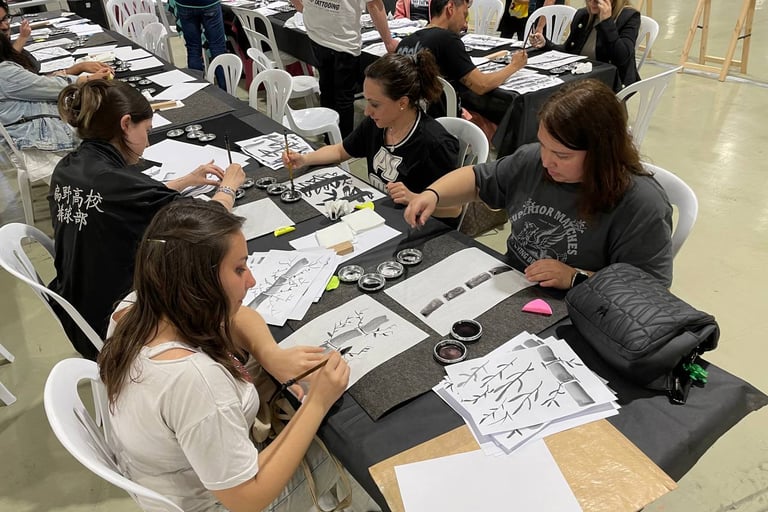
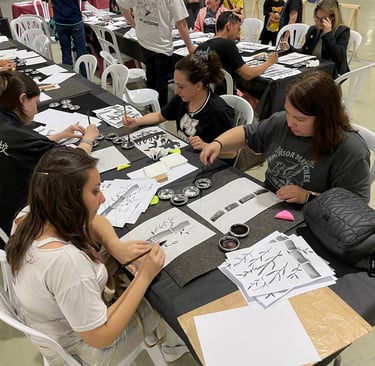
Otaku Mundo Arteixo september 2026
19 September at 12:00
Japan weekend Madrid Septiembre 2026
26 and 27 September


Explore Your Creativity and Neuroscience
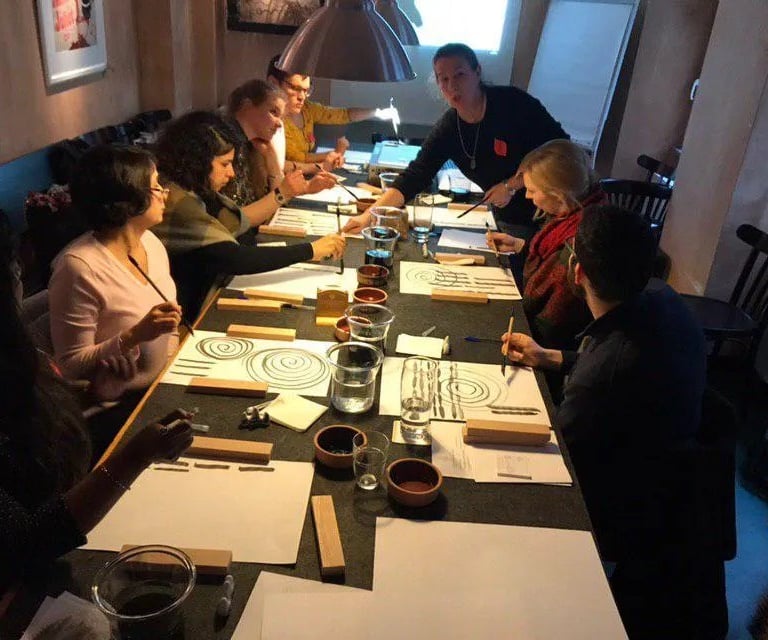
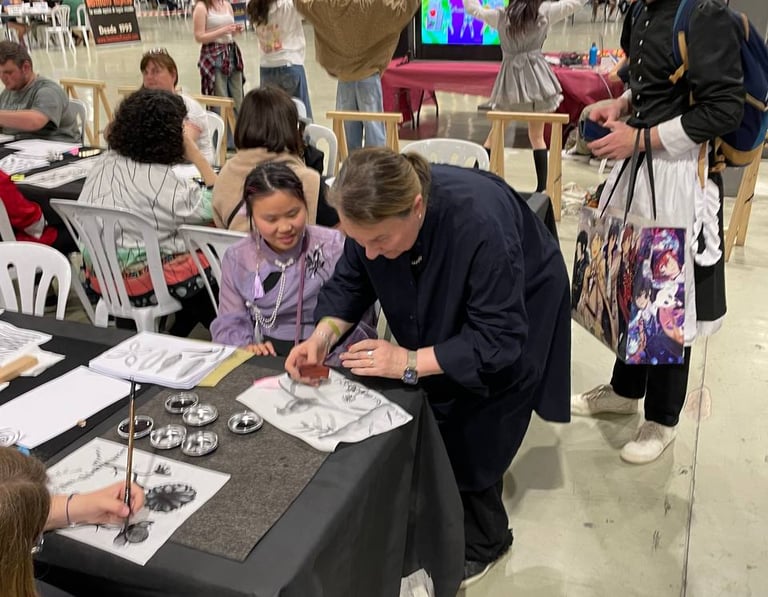
At Brain and Brush, we blend Asian painting with interactive neuroscience, offering unique workshops that enhance your personal and professional development. It's not just an artistic technique; it's a practice that deeply engages the brain, stimulating multiple cognitive, emotional, and sensory areas.
Through each stroke, we not only create beauty but also strengthen our neural connections, promote mindfulness, and cultivate inner peace.
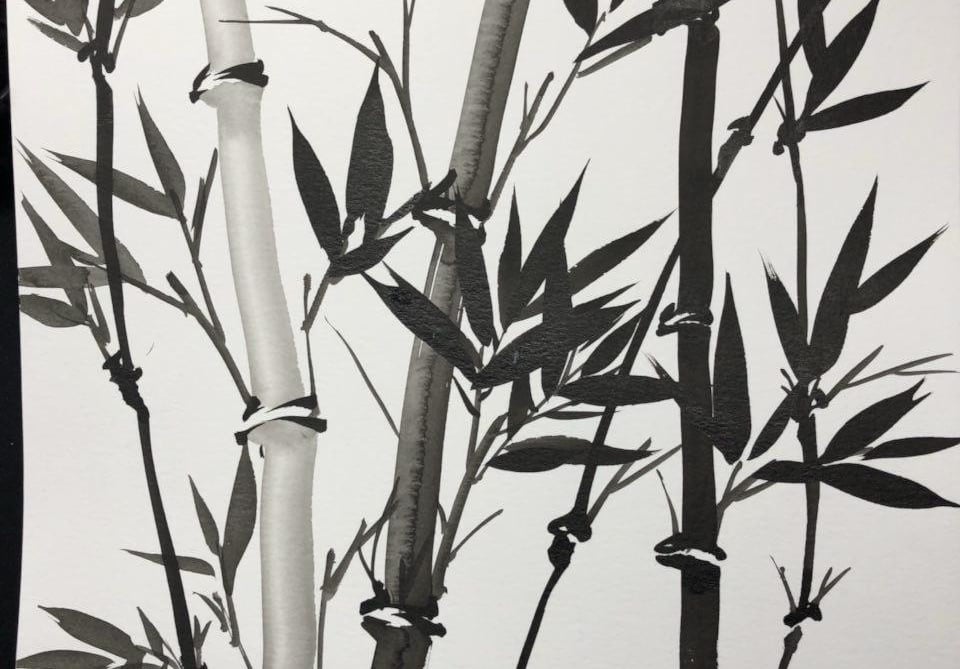
"Chinese painting is not just a technique; it is meditation in motion."
Lin Fengmian (Modern Painter):

What is Brain and Brush?
Brain and Brush is a scientifically designed protocol that uses classical Chinese painting as a tool for brain training. Through a structured and progressive practice, it activates and coordinates specific neural networks in the brain, enabling different areas to work together more efficiently.
With the Brain and Brush program, the brain is trained to manage stress and emotions, learn more effectively and durably, generate original ideas, and maintain stable mental well-being.
Brain and Brush is not art therapy or relaxation: it is precision neuromodulation using a millennia-old tool validated by contemporary neuroscience.


Brain and Brush is the science of the stroke—and the stroke of science.
What Brain and Brush is NOT?
🚫 It is not art therapy. Its goal is not to heal or express, but to activate, regulate, and optimize brain function through disciplined technical practice.
🚫 It is not an art or painting course. It does not teach you to “paint well.” The brush is the instrument of intervention, not the goal.
🚫 It is not a meditation course. Even in the first session, participants create something visually beautiful that they did not expect themselves capable of doing.
🚫 It is not a crafts activity. It does not work with generic fine motor skills materials. In Brain and Brush, every stroke requires full attention, precise motor control, and active procedural memory.
🚫 It is not a program about Asian culture. Classical Chinese painting is not approached here as cultural or artistic content, but as a technology for brain stimulation.
🚫 It does not require prior talent. We are all born with a brain, and we are all born with the capacity to learn how to draw a stroke. Brain and Brush does not activate an “artist” that some believe they lack—it activates the brain that everyone has.
Our model: The Neuroprofiles
“The hand is the visible part of the brain.”
— Immanuel Kant
Brain and Brush Foundation
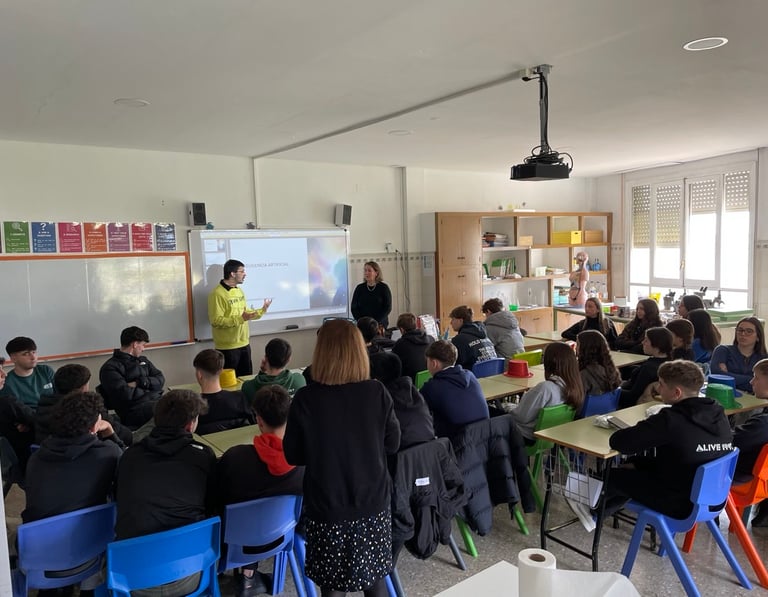
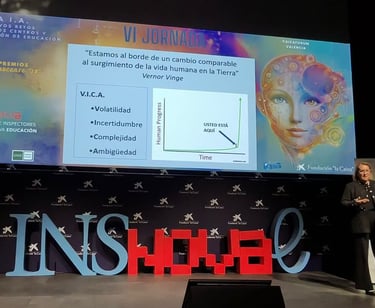
Brain and brush in Education
What does Brain and Brush bring to your educational community?
Introduces an innovative program backed by contemporary cognitive neuroscience, distinguishing your pedagogical approach.
Responds to current demands in emotional education and cognitive skill development with a rigorous and measurable framework.
Provides a distinctive institutional identity: a project that other schools do not offer, positioning your school at the forefront of applied neuroeducation.
Includes teacher training as part of the implementation process.
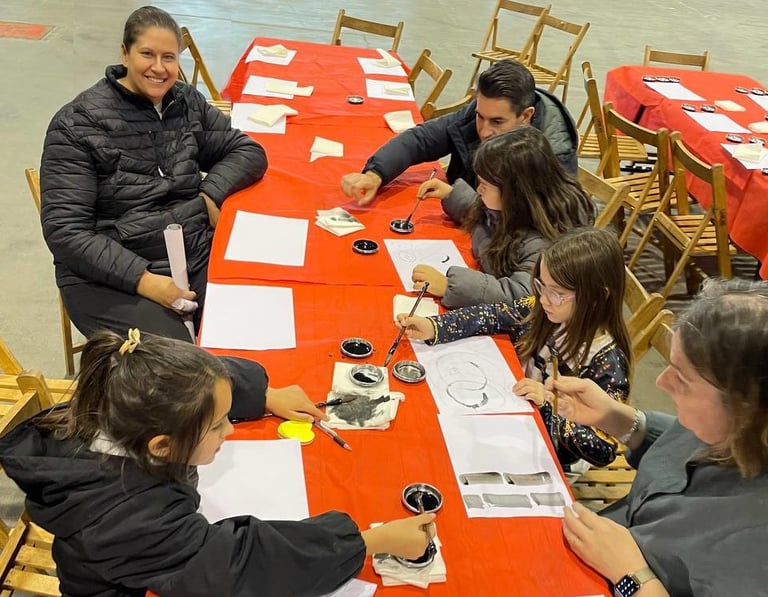
Creates a real sense of community: students, teachers, and families share something unexpected and memorable
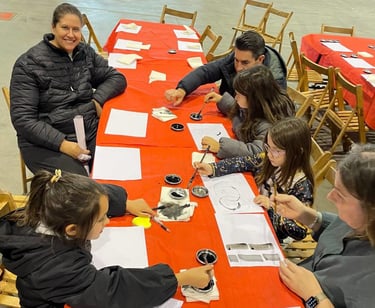
For Schools
For Teachers
Gain access to a solid conceptual framework to understand students’ brains through network neuroscience.
Incorporate attentional and emotional regulation strategies that extend beyond Brain and Brush sessions into daily classroom practice.
Receive specific training in the program—no prior experience in painting or neuroscience is required.
Work with structured, sequenced, ready-to-implement materials.
Share with students a genuine experience of discovery: Brain and Brush transforms the teacher as well
For Students
Develop sustained and focused attention through disciplined stroke practice.
Train emotional regulation actively, physically, and progressively—not through discourse, but through experience.
Strengthen procedural memory, executive control, and deep learning capacity.
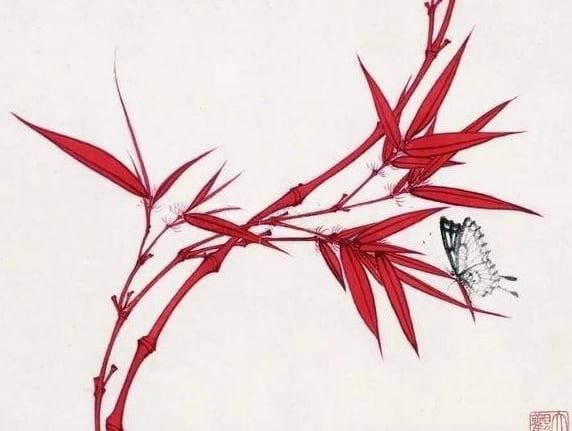
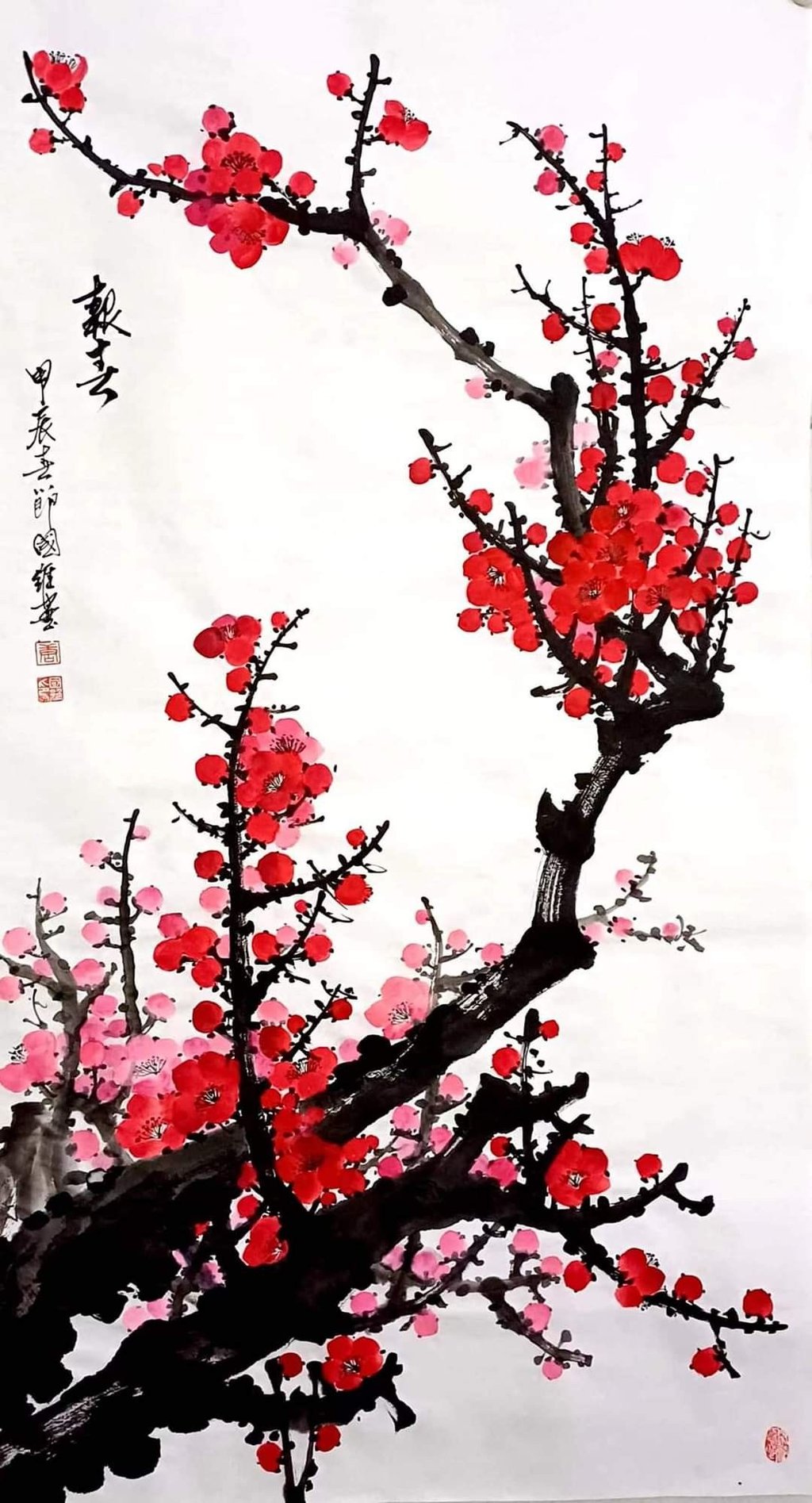
Connect with nature through guohua motifs: bamboo, orchid, plum blossom—learning to observe living things with a depth of attention that the digital world does not cultivate.
Discover their ability to create something beautiful with their own hands—building real self-confidence and self-efficacy beyond the classroom.
Share a space where hierarchy disappears: with the same brush and paper, everyone starts from the same place. This creates bonds. And they have fun—applied neuroscience can be deeply engaging
Their children develop skills that go far beyond school: emotional regulation, concentration, frustration tolerance, and perseverance.
They access a program unlike anything they have seen: rigorous, well-founded, with observable results in everyday behavior.
Their children come home with something made by their own hands—something they want to show, display, and keep. Something that, surprisingly, they find beautiful and truly theirs.
They become part of an educational initiative that positions them within a community committed to holistic human development.
They can understand and support the process from home through the informational materials provided by the program.
For Families
Fortalecer las conexiones neuronales:
By making precise and controlled strokes, areas of the brain associated with fine motor skills, such as the motor cortex and cerebellum, are activated. This promotes neuroplasticity, which is the brain's ability to reorganize itself and form new connections.
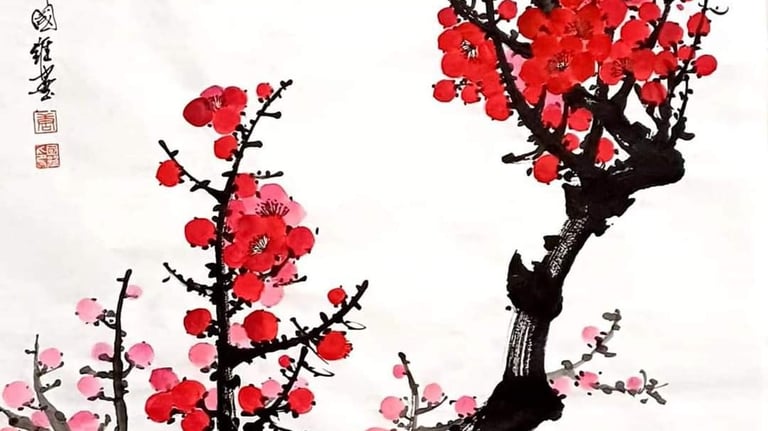

Benefits of Asian Painting
Reducing Stress and Anxiety
The practice of Asian painting, especially techniques like sumi-e (ink painting), induces a state of mindfulness. This focus on the present moment reduces activity in the amygdala, the brain's center for fear and stress, while increasing the release of serotonin and dopamine, neurotransmitters associated with well-being.
Improving Concentration and Problem-Solving
Asian painting requires a high degree of concentration and planning, activating the prefrontal cortex, which is responsible for executive functions such as decision-making and problem-solving. This not only enhances cognitive ability but also fosters creativity.
Our Instagram
"In Chinese painting, each stroke is a dialogue between the heart and the mind."
Qi Baishi (Chinese Art Master Painter)
About the teacher
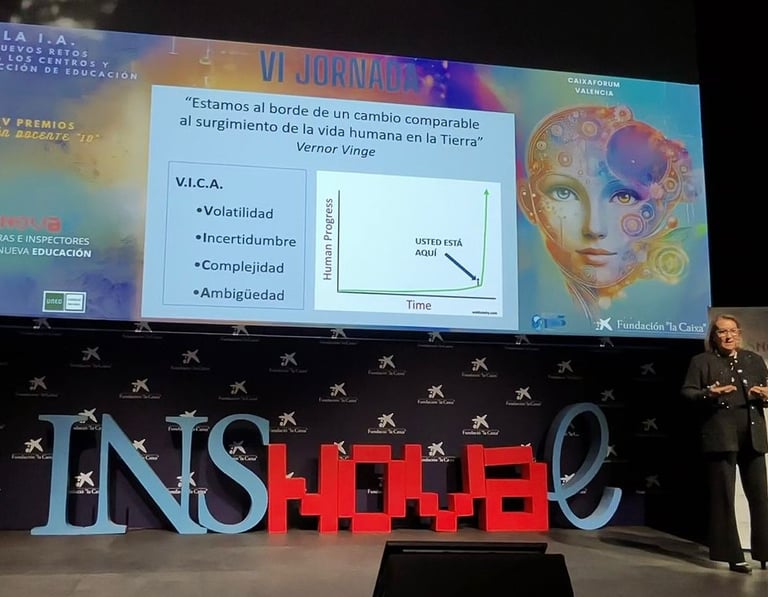
Beatriz del Carmen Pizarro de Zulliger holds degrees in Psychology and Educational Sciences from the Argentine Catholic University. She specializes in Neuroscience, as well as in the education and identification of Giftedness and Exceptional Talent.
She has traveled throughout Argentina, Latin America, Spain, Germany, and Portugal delivering conferences and seminars on training, soft skills development, and executive functions for educators and corporate organizations.
In 1990, she founded the San Bernardo de Claraval Institute in Mendoza, Argentina, the country's first educational center dedicated to gifted and talented students. There, she developed and implemented her research on the relationship between cognitive profiles, pedagogical methodologies, and academic performance. She served as President of Argentina’s two International Congresses on the Education of High Intelligence (1998 and 2000) and was an invited participant at the Annual Assembly of the Inter-American Development Bank (1996), where she presented her findings to international scientific and institutional audiences.
The core of her scientific work is the development of the Precision Pedagogy model, designed to create individualized teaching strategies based on principles of cognitive neuroscience. This framework underpins the Neuroprofiles assessment tool, Neuro-Enhancing Dynamics, and the Brain and Brush methodology, which explores the relationship between neuroscience and traditional Chinese painting as a means of enhancing cognitive abilities.
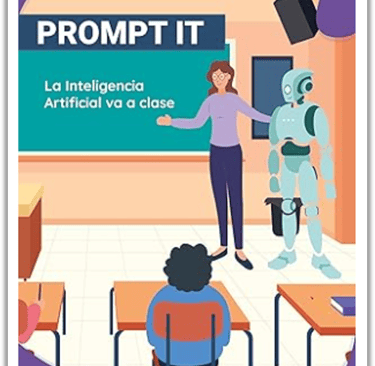
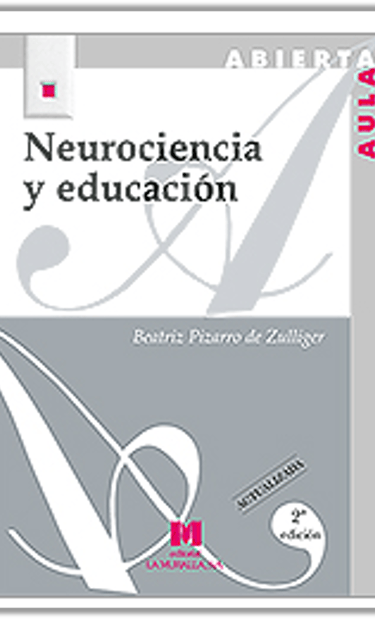
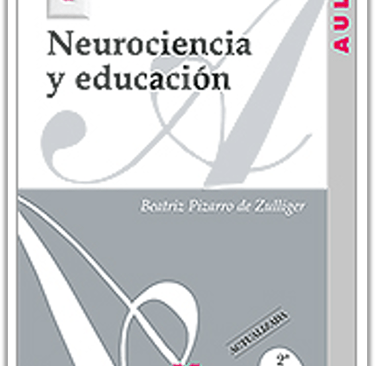
As an author, she has published numerous works, including Neuroscience and Education (2nd Edition), a reference book widely recognized throughout the Spanish-speaking world, as well as Prompt-It and Silicon Synapses.
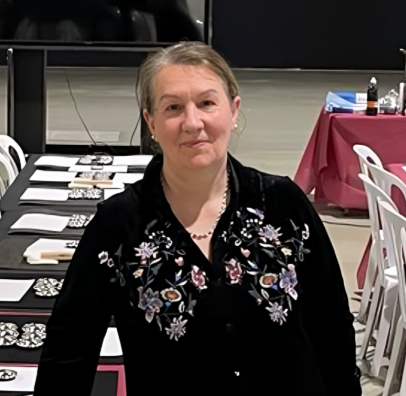
Books published by Beatriz Pizarro
Promp it, la IA va a clase.
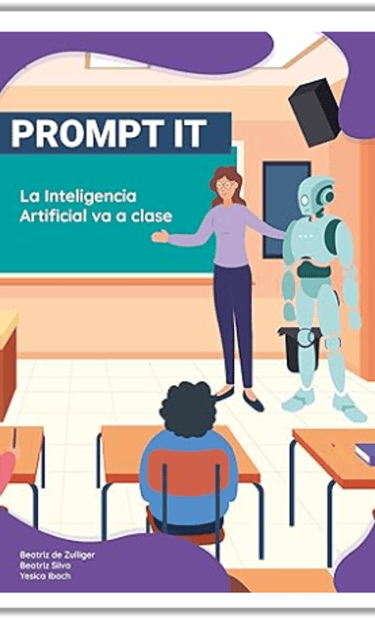
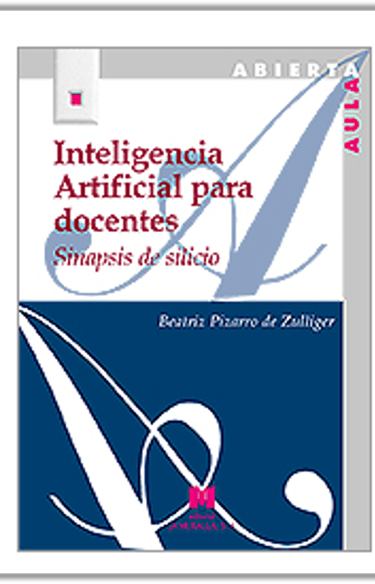
IA Para docentes, Sinapsis de Silicio. Ed La Muralla
Neurociencias en la Educación. Ed La Muralla. 2º Edición
Contact us
We Are Here to Answer Your Questions About Our Painting and Neuroscience Workshops
Connect with us and discover more!
Phone
+351 937 389 266
info@brainandbrush.com
Events
Asian painting and neuroscience workshops
Creativity
info@brainandbrush.com
+351 937 389 266
© 2025. All rights reserved.